
Composite Bonding in Bodrum
Composite Bonding in Bodrum is a modern cosmetic dentistry procedure performed by applying tooth-coloured composite materials to the tooth surface in order to aesthetically improve the shape, colour and overall appearance of the teeth. It may be considered particularly for small fractures, gaps between teeth, uneven edges, mild shape irregularities and certain superficial aesthetic concerns.
People living in Bodrum as well as local and international patients staying in the region for holidays, business trips or longer periods may request a professional dental assessment for Composite Bonding in Bodrum. The aim of the procedure is not only to make the teeth look more aesthetic, but also to achieve a result that is compatible with the natural tooth structure while preserving as much existing tooth tissue as possible.
What Is Composite Bonding in Bodrum?
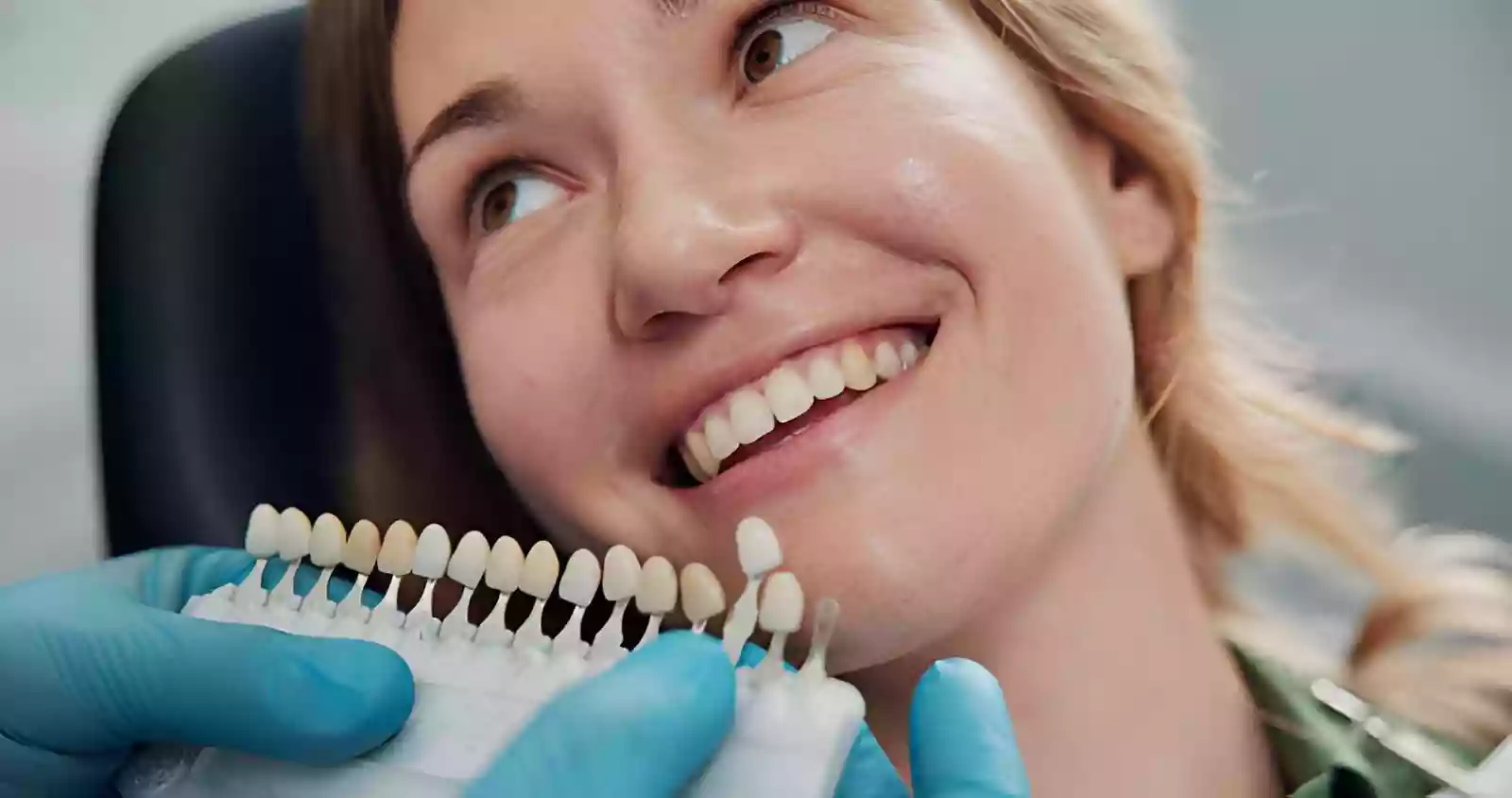
Composite bonding is based on the controlled application of a tooth-coloured aesthetic filling material to the tooth surface, followed by shaping and hardening with a special light. The composite material is selected to match the colour and overall appearance of the tooth, with the aim of achieving harmony with the natural tooth structure.
Composite Bonding in Bodrum may be considered particularly for suitable patients who want more limited aesthetic changes and prefer to preserve as much natural tooth tissue as possible. The treatment plan should be personalised according to each patient’s tooth structure, aesthetic expectations and functional needs.
In Which Situations Can Composite Bonding Be Performed?
Composite bonding can be used to correct different aesthetic dental problems. However, suitability should be evaluated according to the existing tooth tissue and conditions inside the mouth.
- For aesthetically closing small gaps between teeth,
- For repairing small tooth fractures,
- For shaping irregular or worn tooth edges,
- For correcting certain mild shape irregularities,
- For aesthetically balancing tooth dimensions,
- For masking some superficial colour differences,
- In suitable cases where a more balanced appearance is desired in smile aesthetics.
- Composite Bonding in Bodrum
Before composite bonding is performed, the structure of the teeth and the bite relationship should be assessed. Different treatment options may be more suitable particularly for teeth with severe grinding forces, advanced wear or significant structural loss.
Can Gaps Between Teeth Be Closed with Composite Bonding?
Small gaps between teeth may be aesthetically closed with composite bonding in suitable cases. Composite material is carefully added to the side surfaces of the teeth with the aim of reducing or closing the gap.
However, the width of the gap, the existing dimensions of the teeth and the overall alignment of the teeth are important. In very wide gaps, adding composite alone may lead to unnatural tooth proportions, so orthodontic or different aesthetic treatments may be considered.
Can Composite Bonding Be Used for Chipped Teeth?
Small fractures of the front teeth or limited loss along the tooth edges may be repaired with composite material in suitable situations. The aim is to rebuild the fractured area and create an appearance that is as close as possible to the natural shape of the tooth.
For larger fractures, damage approaching the nerve tissue or significant loss of tooth structure that affects the strength of the tooth, bonding alone may not be sufficient. In such cases, the structural condition of the tooth should be assessed separately.
How Is Composite Bonding in Bodrum Performed?
In the first stage, the teeth, gum tissues and bite relationship are evaluated. The desired aesthetic change is determined and a composite material that can match the tooth colour is selected.
After preparing the tooth surface so that the bonding material can adhere appropriately, composite resin may be applied in layers. The material is shaped to match the natural anatomy of the tooth and hardened using a special light. In the final stage, the surface may be shaped and polished.
Does the Tooth Need to Be Cut for Composite Bonding?
One of the important features of composite bonding is that, in many suitable cases, it can be performed without extensive reduction of the natural tooth structure. In some situations, only very limited surface preparation may be needed, while in other cases direct application may be possible.
The amount of preparation required may vary according to the existing structure of the tooth, previous restorations and the desired aesthetic change. Therefore, the Composite Bonding in Bodrum plan is not performed in exactly the same way for every patient.
Is Composite Bonding Painful?
Significant pain is not generally expected in many bonding procedures involving only limited aesthetic adjustment of the tooth surface. However, if there is decay, sensitivity, deeper loss of tooth structure or another condition requiring an additional dental procedure, local anaesthesia may be considered.
Once the scope of the procedure required by the patient has been assessed in advance, it can be determined more clearly whether anaesthesia will be needed at any stage.
Can Composite Bonding Be Completed in One Session?
Many limited composite bonding procedures may be completed on the same day in suitable cases. However, the number of teeth to be treated, existing restorations, the amount of reshaping required and the patient’s aesthetic expectations may affect the total procedure time.
More extensive smile adjustments may require preliminary planning, photographic assessment or different stages. Therefore, whether the procedure can be completed in a single session should be determined after an individual assessment.
Do Teeth Look Natural After Composite Bonding?
When the colour, translucency, surface texture and anatomical shape of the composite material are carefully planned, an appearance that is compatible with the natural teeth can be targeted. Composite Bonding in Bodrum
Especially for front teeth, not only colour selection but also light reflection, the shape of the tooth edges and symmetry with the teeth on the opposite side are important. Aesthetic success depends not only on correct application of the material but also on creating a design that is suitable for the patient’s natural tooth structure.
How Should Composite Bonding and Teeth Whitening Be Planned Together?
Because the colour of the composite material is selected at the time of application, a future teeth whitening procedure may not change the colour of the existing composite in the same way. Therefore, treatment sequencing is important for patients considering both whitening and bonding.
In suitable situations, the desired natural tooth shade may first be established, after which the colour of the composite restorations can be selected according to the new tooth shade. The most appropriate sequence should be determined according to the individual aesthetic treatment plan.
How Long Does Composite Bonding Last?
The lifespan of composite bonding restorations is not the same for every patient. The size of the restoration, which tooth it is placed on, bite forces, teeth clenching habits, foods and drinks consumed and oral care habits may all affect durability.
Composite material may show surface wear, colour changes or small fractures over time. The possibility of polishing, maintenance or limited repair when required may be one of the advantages of composite bonding.
Does Composite Bonding Change Colour?
Composite materials may develop superficial colour changes over time due to the effects of tea, coffee, smoking and foods or drinks containing strong pigments. This may vary according to the individual’s consumption habits and oral care.
Regular oral hygiene, professional check-ups and surface polishing when necessary may help maintain the appearance of the restorations.
What Should You Pay Attention to After Composite Bonding?
After Composite Bonding in Bodrum, it is important to maintain regular daily oral care and avoid biting excessively hard objects with the front teeth in order to help protect the restorations for a long time.
- Brush the teeth regularly using an appropriate technique,
- Clean between the teeth,
- Avoid breaking very hard foods with the front teeth,
- Do not bite pens or hard objects with the teeth,
- Inform the dentist if you clench or grind your teeth,
- Limit strongly staining drinks and tobacco use,
- Continue regular dental check-ups.
- Composite Bonding in Bodrum
Can Composite Bonding Be Repaired If It Breaks?
If a small fracture or wear occurs in a composite restoration, limited repair may be possible in suitable cases without completely replacing the existing restoration.
However, the cause of the fracture should also be evaluated. Repeated fractures may be related to bite problems, excessive force, teeth clenching or exceeding the functional limits of the restoration.
What Is the Difference Between Composite Bonding and Porcelain Veneers?
Composite bonding is generally performed using resin material shaped directly on the tooth, while porcelain veneers are a different restorative treatment option involving different materials and laboratory stages.
Which method is more suitable may vary according to the amount of change required in the tooth, colour expectations, tooth structure, bite relationship and long-term treatment goals. The same method should not be preferred for every aesthetic case.
Does Teeth Clenching Affect Composite Bonding?
During teeth clenching and grinding, higher-than-normal forces may be placed on both the front and back teeth. These forces may increase the risk of wear or fracture in composite restorations.
Patients who clench their teeth should mention this before treatment. In suitable cases, bite adjustment, a night guard or other protective approaches may be considered.
Composite Bonding in Bodrum for International Patients
International patients holidaying or temporarily staying in Bodrum may also undergo an assessment for composite bonding. Particularly in suitable cases involving limited aesthetic corrections, the relatively short treatment time may provide an advantage for travel planning.
Previous dental treatments, existing fillings, sensitivity, teeth clenching habits and aesthetic expectations should be shared during the assessment. For information about more comprehensive dental procedures and other aesthetic treatment options, you can visit the Dental Treatments in Bodrum section.
When Is Dental Assessment Needed After Composite Bonding?
If a fracture, sharp edge, noticeable change in the bite, persistent pain or a problem around the gums is noticed after bonding, a dental assessment may be appropriate.
Regular checking of composite restorations may help identify surface wear or small problems at an early stage.
Frequently Asked Questions About Composite Bonding in Bodrum
Can composite bonding be performed for everyone?
No. Tooth structure, decay, bite relationship, gum health and aesthetic expectations should be evaluated. Different restorative or orthodontic options may be more suitable for some patients.
Can composite bonding be completed on the same day?
Many bonding procedures involving a limited number of teeth may be completed on the same day in suitable cases. For more extensive applications, the treatment time and number of appointments may vary.
Does composite bonding damage the tooth?
The aim of properly planned bonding procedures is to preserve as much natural tooth tissue as possible. However, because each case is different, the amount of surface preparation required is determined according to the condition of the tooth.
Can you drink coffee after composite bonding?
Drinks containing strong colour pigments, such as coffee, may contribute to staining of the composite surface over time. Limiting consumption habits and maintaining regular oral care may help preserve the appearance of the restoration.
Does composite bonding need to be completely replaced if it breaks?
Not always. Small fractures may be repaired in a limited way in suitable cases. However, the cause of the fracture and the overall condition of the restoration should be evaluated.
Composite Bonding in Bodrum with an Aesthetic and Conservative Approach
Composite Bonding in Bodrum may be an aesthetic and conservative dental approach used to improve the appearance of the teeth in suitable patients. For a successful procedure, not only tooth colour but also tooth proportions, surface texture, symmetry, bite forces and long-term care should be evaluated together.
If you have small gaps between your teeth, limited fractures, shape irregularities or aesthetic concerns about uneven areas, a professional dental assessment should first be performed. Composite Bonding in Bodrum planning should aim to achieve the right balance between preserving the existing tooth structure and creating a natural, balanced appearance.
