
Lingual Orthodontics in Bodrum
Lingual Orthodontics in Bodrum is an aesthetic orthodontic method in which orthodontic brackets are placed on the inner, tongue-facing surfaces of the teeth rather than on the front. Because the brackets and wires are positioned behind the teeth, they are much less visible from the front compared with conventional metal braces.
In addition to people living in Bodrum, local and international patients staying in the region for longer periods may request an assessment for Lingual Orthodontics in Bodrum when looking for a less visible orthodontic treatment option. Treatment planning should be based not only on aesthetic expectations, but also on tooth position, bite relationship, jaw structure, periodontal health and the need for orthodontic tooth movement.
What Is Lingual Orthodontics in Bodrum?

In lingual orthodontics, brackets are fixed to the back surfaces of the teeth facing the tongue. This allows tooth movement to be carried out with fixed orthodontic systems while most of the brackets remain hidden from external view.
Lingual Orthodontics in Bodrum may be considered particularly for adults and suitable younger patients who want orthodontic treatment but do not want metal brackets to be visible in everyday life.
When Can Lingual Orthodontics Be Used?
Lingual orthodontics may be used to treat different types of tooth alignment problems. However, the scope of treatment and the system to be used should be determined according to the patient’s individual orthodontic problem.
- When there is crowding of the front teeth,
- When there are gaps between the teeth,
- When a more aesthetically aligned tooth position is desired,
- For certain bite problems,
- When orthodontic treatment is expected to be as discreet as possible from the outside,
- When aesthetic concerns are particularly important for adult patients,
- In suitable cases requiring fixed orthodontic treatment,
- When appropriate dental and jaw conditions are present for Lingual Orthodontics in Bodrum.
- Lingual Orthodontics in Bodrum
Why Are Lingual Braces Described as Hidden Braces?
The main aesthetic advantage of lingual brackets is that they are positioned behind the teeth. When a person speaks or smiles, the brackets are not located on the front surfaces and are therefore much less noticeable than conventional metal braces.
For this reason, Lingual Orthodontics in Bodrum may be one of the orthodontic options considered by patients who do not want visible brackets on the front of their teeth in professional, social or everyday settings.
How Is Lingual Orthodontics in Bodrum Applied?
Before treatment, an orthodontic assessment of the teeth and jaws is carried out. When necessary, photographs, digital scans, impressions and radiographic images may be used for treatment planning.
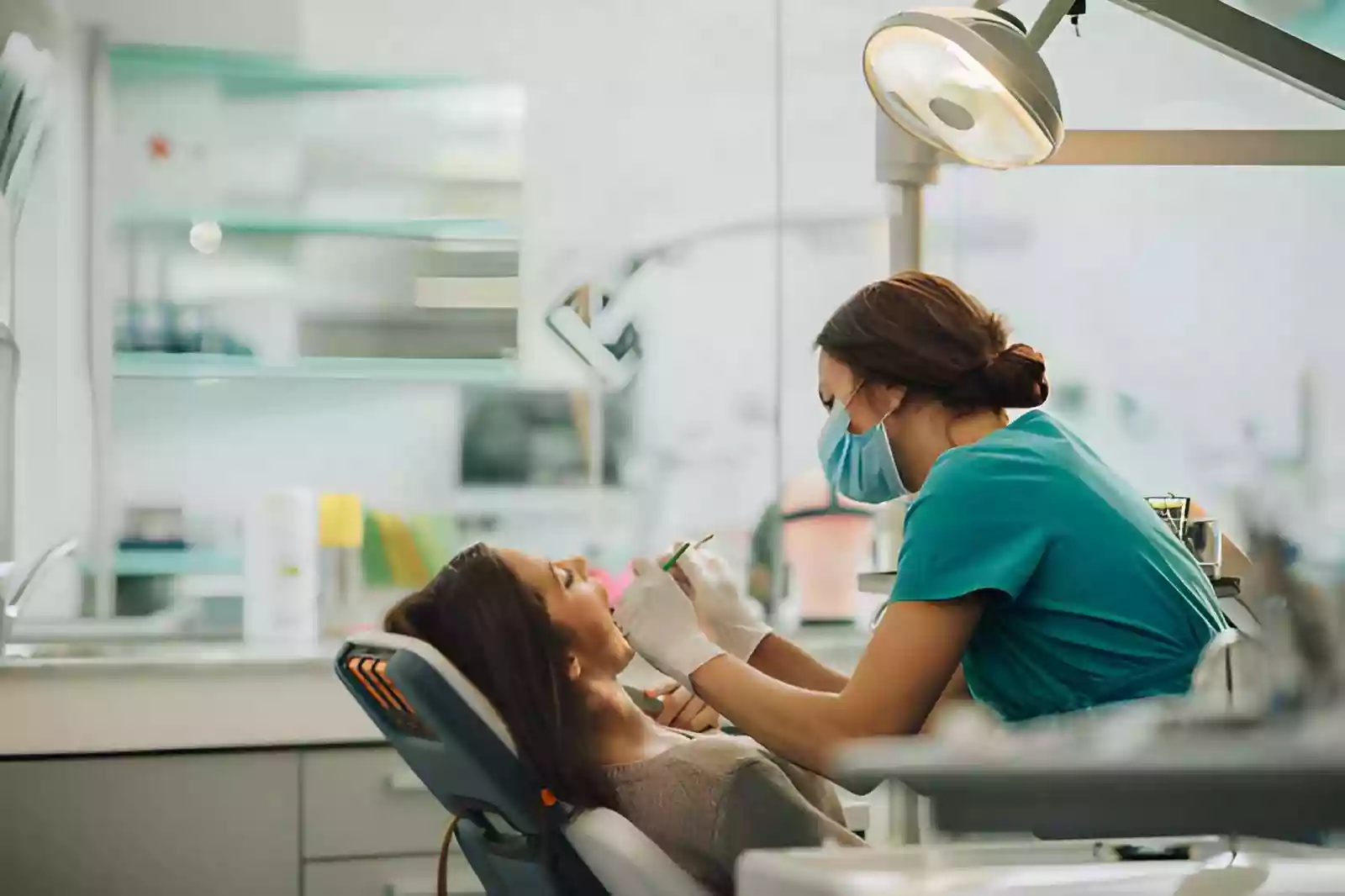
After an appropriate bracket system has been planned for the back surfaces of the teeth, the lingual brackets are bonded to the teeth using special dental adhesives. Controlled orthodontic forces are applied through arch wires, allowing the teeth to move gradually towards the planned positions.
During Lingual Orthodontics in Bodrum, follow-up appointments are carried out at specific intervals. During these visits, tooth movement is evaluated and any necessary wire or mechanical adjustments are made.
Is Lingual Orthodontics Painful?
During the first few days after orthodontic force is applied, pressure or sensitivity may be felt in the teeth. This is not unique to lingual orthodontics and may also occur with other fixed orthodontic treatments.
Because the brackets are positioned close to the tongue, friction or sensitivity of the tongue may occur during the initial treatment period. In many patients, these complaints may gradually decrease as the oral tissues adapt to the system.
How Long Does It Take to Get Used to Lingual Orthodontics?
The adaptation period can vary from person to person. Because the brackets are positioned on the inner surfaces of the teeth, contact between the tongue and the brackets and temporary changes in speech may be noticed especially during the first few days.
During the initial period of Lingual Orthodontics in Bodrum, the patient may need time to adapt to the new system in terms of speech, chewing and oral hygiene. The adaptation process may be influenced by individual oral anatomy and the characteristics of the lingual system used. Lingual Orthodontics in Bodrum
Do Lingual Braces Affect Speech?
Because the brackets are close to the surfaces touched by the tongue, temporary differences in the pronunciation of certain sounds may occur during the initial period. People who use their voice extensively may notice this change more clearly during the first few days.
In many cases, speech becomes more natural as the tongue adapts to the new surface structure. The adaptation period is not the same for every patient.
What Is the Difference Between Lingual Orthodontics and Conventional Braces?
In conventional fixed orthodontics, brackets are positioned on the front surfaces of the teeth, while in lingual orthodontics they are placed on the back surfaces. In both systems, the aim is to change tooth position using controlled orthodontic forces.
The most noticeable difference with lingual systems is aesthetic visibility. However, bracket position, application technique, follow-up process and patient adaptation may differ from conventional orthodontics.
What Is the Difference Between Lingual Orthodontics and Clear Aligners?
Clear aligner treatment uses removable transparent appliances. Lingual orthodontics, on the other hand, is performed with brackets and wires fixed to the back surfaces of the teeth.
Each method may have different advantages and limitations. The type of orthodontic problem, the extent of the required tooth movements, patient compliance and aesthetic expectations are important when deciding which method may be more suitable.
How Long Does Lingual Orthodontics in Bodrum Take?
The total duration of Lingual Orthodontics in Bodrum differs for every patient. The degree of crowding, bite problem, number of teeth to be moved, treatment objectives and regular attendance at follow-up appointments may all affect treatment time.
Simple alignment cases and more advanced orthodontic problems should not be expected to finish within the same period. An estimated treatment duration can be determined after a detailed orthodontic assessment.
Is Lingual Orthodontics Suitable for Adults?
Adults are one of the patient groups in which lingual orthodontics is most frequently considered. People who do not want visible brackets on the front surfaces of their teeth in professional or social life may be interested in lingual systems.
However, age alone does not determine suitability for orthodontic treatment. The health of the bone and gum tissues surrounding the teeth, the condition of the teeth and the feasibility of orthodontic movement should all be assessed.
Why Is Oral Hygiene Important During Lingual Orthodontics?
Because brackets and wires are positioned behind the teeth, cleaning requires more attention than standard tooth brushing. Food and dental plaque accumulation around the brackets may negatively affect gum health and tooth surfaces.
During Lingual Orthodontics in Bodrum, appropriate brushing technique, interdental cleaning and following orthodontic care recommendations are important parts of the treatment process.
- Carefully brush both the front and back surfaces of the teeth,
- Clean around the brackets regularly,
- Use appropriate interdental cleaning products,
- Request an assessment if gum bleeding or swelling occurs,
- Continue regular professional dental check-ups,
- Do not miss orthodontic follow-up appointments,
- Follow recommendations regarding hard and sticky foods,
- Maintain regular oral care throughout Lingual Orthodontics in Bodrum.
What Should You Do If a Lingual Bracket Breaks or Comes Loose?
If one of the brackets separates from the tooth surface or a wire causes discomfort, an orthodontic check may be required. Patients should not attempt to adjust the bracket or wire themselves.
The affected area can be assessed and the necessary repair or adjustment performed. Leaving treatment mechanics damaged for a prolonged period may affect the planned tooth movements.
Is Retention Treatment Required After Lingual Orthodontics?
After orthodontic treatment is completed, retention treatment may be required to maintain the new positions of the teeth. This is not unique to lingual orthodontics; teeth may generally have a tendency to move again after orthodontic treatment.
The use, duration and follow-up programme of fixed or removable retainers should be planned according to the patient’s treatment result.
Lingual Orthodontics in Bodrum for International Patients
International patients who live, work or regularly visit Bodrum may be assessed for Lingual Orthodontics in Bodrum. However, because orthodontic treatment requires regular follow-up, the patient’s ability to attend control appointments should be considered during treatment planning.
Previous orthodontic treatments, current retainer use, tooth extractions, implants, crowns and known dental problems should be shared during the assessment. For broader orthodontic and aesthetic dental options, you can visit the Dental Treatments in Bodrum section.
When planning Lingual Orthodontics in Bodrum for international patients, the duration of stay in Bodrum, travel schedule and ability to maintain regular follow-up appointments should be evaluated in advance.
When Is an Orthodontic Check Needed During Lingual Treatment?
If a bracket becomes detached, a wire causes significant irritation to the tongue or oral tissues, prolonged severe pain occurs, a noticeable gum problem develops or unexpected tooth movement is felt, an orthodontic assessment should be carried out.
Regular follow-up appointments allow the progress of Lingual Orthodontics in Bodrum to be monitored and any necessary mechanical adjustments to be made at the appropriate time.
Frequently Asked Questions About Lingual Orthodontics in Bodrum
Are lingual braces completely invisible?
Because the brackets are positioned behind the teeth, they are much less visible than conventional front-surface brackets during normal speech and smiling. However, describing the treatment as completely invisible from every angle may not be accurate.
Can lingual orthodontics be used for everyone?
No. The structure of the teeth and jaws, bite relationship, gum health and the characteristics of the required orthodontic tooth movements should be evaluated. Different orthodontic systems may be more suitable in some cases.
Do lingual braces affect eating?
During the first few days, a change in chewing habits may be noticed. The orthodontist’s recommendations regarding very hard or sticky foods that could damage the brackets may also need to be followed.
Can teeth move again after lingual orthodontics?
Retention treatment is important for maintaining the new positions of the teeth after orthodontic treatment. Not following retainer recommendations may increase the risk of the teeth moving again.
How long does Lingual Orthodontics in Bodrum take to show results?
The duration of Lingual Orthodontics in Bodrum depends on existing crowding, bite problems, planned tooth movements and regular attendance at follow-up appointments. The estimated treatment duration can be determined after individual orthodontic planning.
More Discreet Orthodontic Treatment with Lingual Orthodontics in Bodrum
Lingual Orthodontics in Bodrum is an aesthetic orthodontic method that may be considered for suitable patients who require fixed orthodontic treatment but do not want brackets to be visible on the front surfaces of their teeth. Positioning the brackets on the inner side of the teeth provides a more discreet treatment appearance while allowing tooth movements to be controlled through professional orthodontic planning.
If you have crowding, gaps, alignment problems or bite irregularities and are looking for an alternative to conventional front-surface brackets, a professional orthodontic assessment may be appropriate. In Lingual Orthodontics in Bodrum planning, dental and gum health, bite balance, treatment duration and long-term stability should be considered together with aesthetic expectations.
