
Tooth Extraction in Bodrum
Tooth Extraction in Bodrum is a dental procedure in which a tooth that is severely decayed, seriously infected, fractured, affected by advanced periodontal disease, impacted or considered impossible to restore is removed after professional evaluation. Tooth extraction is not always the first treatment option; whenever possible, preserving the natural tooth should be considered. For information about tooth extraction, fillings, root canal treatment and other dental procedures, visit our Dental Treatments in Bodrum section.
People living in Bodrum as well as local and international visitors may require an assessment for tooth extraction because of sudden toothache, a broken tooth, swelling or infection. However, not every painful tooth needs to be removed. After a dental examination and, when necessary, dental imaging, the dentist can assess whether the tooth can still be preserved.
When May Tooth Extraction in Bodrum Be Necessary?
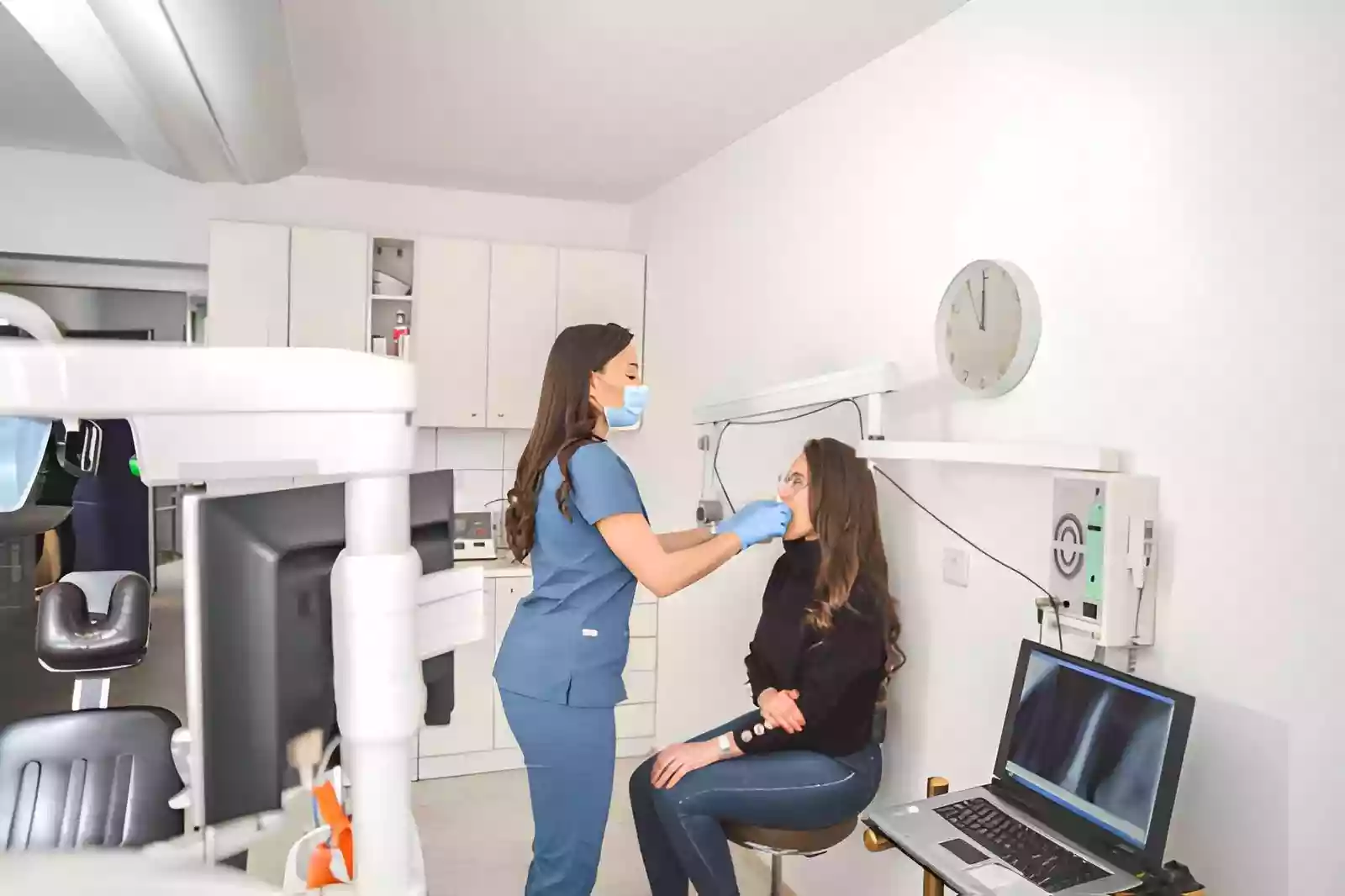
Tooth extraction may be considered for several different dental conditions. Some teeth may be too extensively damaged to be preserved, while in other cases extraction may be evaluated to control infection or as part of orthodontic treatment planning.
- Severely decayed teeth that cannot be restored,
- Teeth with serious fractures or cracks,
- Very loose teeth caused by advanced periodontal disease,
- Selected cases involving significant infection around the tooth root or surrounding tissues,
- Teeth that cannot be preserved with root canal treatment or restorative procedures,
- Impacted or partially impacted wisdom teeth,
- Selected orthodontic cases in which additional space is required,
- Teeth that have been seriously damaged by trauma.
- Tooth Extraction in Bodrum
Before Tooth Extraction in Bodrum is planned, the current condition of the tooth should be carefully assessed. In suitable cases, it may be possible to preserve the natural tooth with a filling, root canal treatment, crown or another restorative procedure instead of extraction.
Tooth Extraction Due to Severe Decay
When dental decay remains untreated for a long period, a large amount of healthy tooth structure may be lost. If the decay progresses towards the dental pulp, root or surrounding tissues, pain, sensitivity and infection may develop.
However, not every severely decayed tooth needs to be removed. If enough healthy tooth structure remains, root canal treatment and restorative procedures may make it possible to preserve the tooth. The extraction decision should depend on how much of the tooth can be predictably restored.
Do Broken or Cracked Teeth Need to Be Extracted?
A tooth may crack or fracture after biting a hard object, falling, receiving a blow or experiencing another type of trauma. If the damage is limited to the upper part of the tooth, restorative treatment may still be possible.
If the crack extends towards the root or the tooth can no longer be predictably restored, extraction may be considered. The final decision should be made after examination and, when required, dental imaging.
Should a Tooth Be Extracted If There Is a Dental Abscess?
An infection affecting the tooth root or surrounding tissues can cause pain, swelling, an unpleasant taste, tenderness and, in some cases, fever. The appropriate treatment for an infected tooth depends on the source of the infection and whether the tooth can be preserved.
Some teeth can be saved with root canal treatment, while in other situations extraction may be necessary. Antibiotics alone do not always eliminate the underlying source of a dental problem, and the need for antibiotics should be assessed by a healthcare professional.
Wisdom Tooth Extraction
Wisdom teeth may erupt completely and normally in some people, while in others they may remain impacted, partially impacted or positioned incorrectly. This can contribute to pressure on neighbouring teeth, recurrent infection, gum swelling or discomfort during chewing.
Not every wisdom tooth needs to be removed. The position of the tooth, its relationship with surrounding tissues, previous infections and its effect on neighbouring teeth should be assessed before deciding whether extraction is necessary.
Is an X-Ray Required Before Tooth Extraction?
The same imaging method is not required for every extraction. However, a dental X-ray may be necessary to assess the root structure, surrounding bone, neighbouring teeth and the relationship of the tooth to nearby anatomical structures.
Imaging may be particularly important for impacted teeth, fractured roots or cases in which a surgical extraction may be required.
How Is Tooth Extraction Performed?
Before extraction, the tooth and surrounding tissues are evaluated. After appropriate local anaesthesia is administered, the aim is to control pain in the treatment area during the procedure. Depending on the position and structure of the tooth, either a simple extraction or a surgical extraction may be performed.
During a simple extraction, the tooth is carefully removed using appropriate dental instruments. In cases requiring surgical extraction, a more extensive procedure involving the gum or surrounding tissues may be necessary. The exact technique varies according to each patient’s dental condition.
Is Tooth Extraction Painful?
During tooth extraction, appropriate local anaesthesia is used with the aim of controlling pain in the treatment area. Patients may feel pressure or movement during the procedure, but sharp pain is not expected.
After the anaesthetic wears off, some tenderness or discomfort may develop around the extraction site. The level of pain can vary depending on the difficulty of the extraction, the position of the tooth and the individual’s healing response.
The First 24 Hours After Tooth Extraction
After a tooth is removed, a blood clot forms in the extraction socket. This clot is an important part of the normal healing process and should be protected to support appropriate healing of the extraction site.
- Bite gently on the gauze for the period recommended by the dentist,
- Avoid vigorous rinsing during the first hours,
- Do not touch the extraction site with your tongue or fingers,
- Avoid very hot foods and drinks,
- Avoid smoking and tobacco products,
- Limit strenuous physical activity during the first day,
- Follow the dentist’s medication and aftercare instructions.
- Tooth Extraction in Bodrum
Is Bleeding Normal After Tooth Extraction?
A small amount of oozing may occur after extraction. However, if active bleeding continues and cannot be controlled, further dental or medical assessment may be necessary.
Patients who take blood-thinning medication, have a bleeding disorder or have important systemic medical conditions should inform the healthcare professional before the procedure.
Is Swelling Normal After Tooth Extraction?
A certain amount of swelling may occur, particularly after surgical extraction or removal of an impacted tooth. The degree of swelling varies depending on the extent of the procedure and the individual’s healing response.
If the swelling increases rapidly or is accompanied by fever, unpleasant odour, discharge, severe pain or deterioration in general condition, further evaluation may be necessary.
What Is Dry Socket After Tooth Extraction?
Dry socket, also known as alveolar osteitis, may develop when the blood clot in the extraction site is lost too early or does not form adequately. It may present with severe pain that becomes noticeable several days after the extraction.
If pain that had been improving begins to become significantly worse again, or if severe pain develops and radiates towards the ear or jaw, dental assessment is important.
When Can You Eat After Tooth Extraction?
While the anaesthetic is still active, the lip, tongue or cheek can accidentally be bitten, so care should be taken with eating. Dietary recommendations after the procedure can vary according to the type of extraction performed.
During the early healing period, it may be appropriate to avoid very hot, hard or irritating foods and choose softer options instead.
Can You Smoke After Tooth Extraction?
Smoking and tobacco products can negatively affect healing at the extraction site and may make it more difficult to protect the blood clot. Avoiding smoking is particularly important during the early period after extraction.
Staying away from cigarettes and similar products for the period recommended by the dentist may help support the healing process.
Tooth Extraction in Bodrum for International Tourists
International visitors staying in Bodrum may need an assessment for tooth extraction because of sudden toothache, infection, a broken tooth or dental trauma. During a short holiday, the recovery period after treatment should be considered together with the patient’s travel plans.
Providing information about previous dental treatments, regular medications, known allergies, systemic medical conditions and any previous dental X-rays can help make the assessment process more efficient.
When Can a Tooth Extraction Problem Become an Emergency?
The need for tooth extraction is usually related to a dental problem. However, some situations involving serious infection, uncontrolled bleeding or trauma may require broader medical assessment.
If rapidly increasing swelling of the face or neck, difficulty breathing or swallowing, marked deterioration in general condition or serious bleeding develops, you can find information about urgent healthcare and doctor support in our Bodrum Emergency Medical Services section.
Frequently Asked Questions About Tooth Extraction in Bodrum
Does every painful tooth need to be extracted?
No. Extraction is not always necessary for a painful tooth. It may be possible to preserve the tooth with a filling, root canal treatment or another restorative procedure. The decision should be made after professional examination.
How long does a tooth extraction take?
The duration of the procedure varies according to the position of the tooth, its root structure and whether a simple or surgical extraction is required. The same treatment time cannot be given for every case.
Do I need antibiotics after tooth extraction?
Antibiotics are not required after every tooth extraction. The need for antibiotics should be assessed by a healthcare professional according to the presence of infection, the procedure performed and the patient’s general health.
How many days does pain last after tooth extraction?
The duration of tenderness after extraction varies according to the type of procedure and the individual’s healing process. If pain becomes significantly worse over the following days instead of gradually improving, dental review may be necessary.
Should a missing tooth be replaced after extraction?
Depending on the position of the extracted tooth and the patient’s oral condition, options such as a dental implant, bridge or another prosthetic solution may be considered. The same treatment plan is not appropriate after every extraction, and management of the resulting space should be individually planned.
Appropriate Assessment Before Tooth Extraction in Bodrum
Tooth extraction is an irreversible procedure. For this reason, alternative treatments should be considered whenever the natural tooth can realistically be preserved. If the tooth truly cannot be saved, extraction should be appropriately planned and the healing process should be followed afterwards.
The purpose of a Tooth Extraction in Bodrum assessment is not simply to remove a problematic tooth. It is also to identify the cause of pain or infection, assess the surrounding tissues and plan the most appropriate next stage of dental treatment for the patient.
